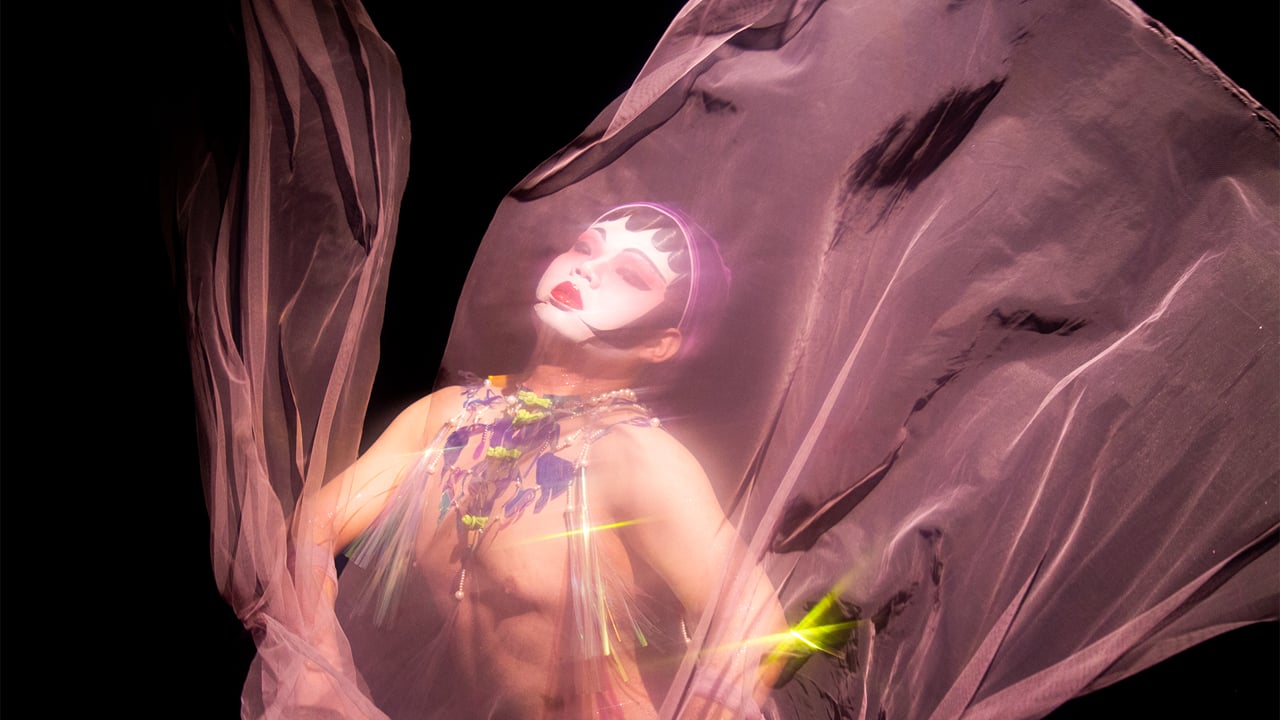
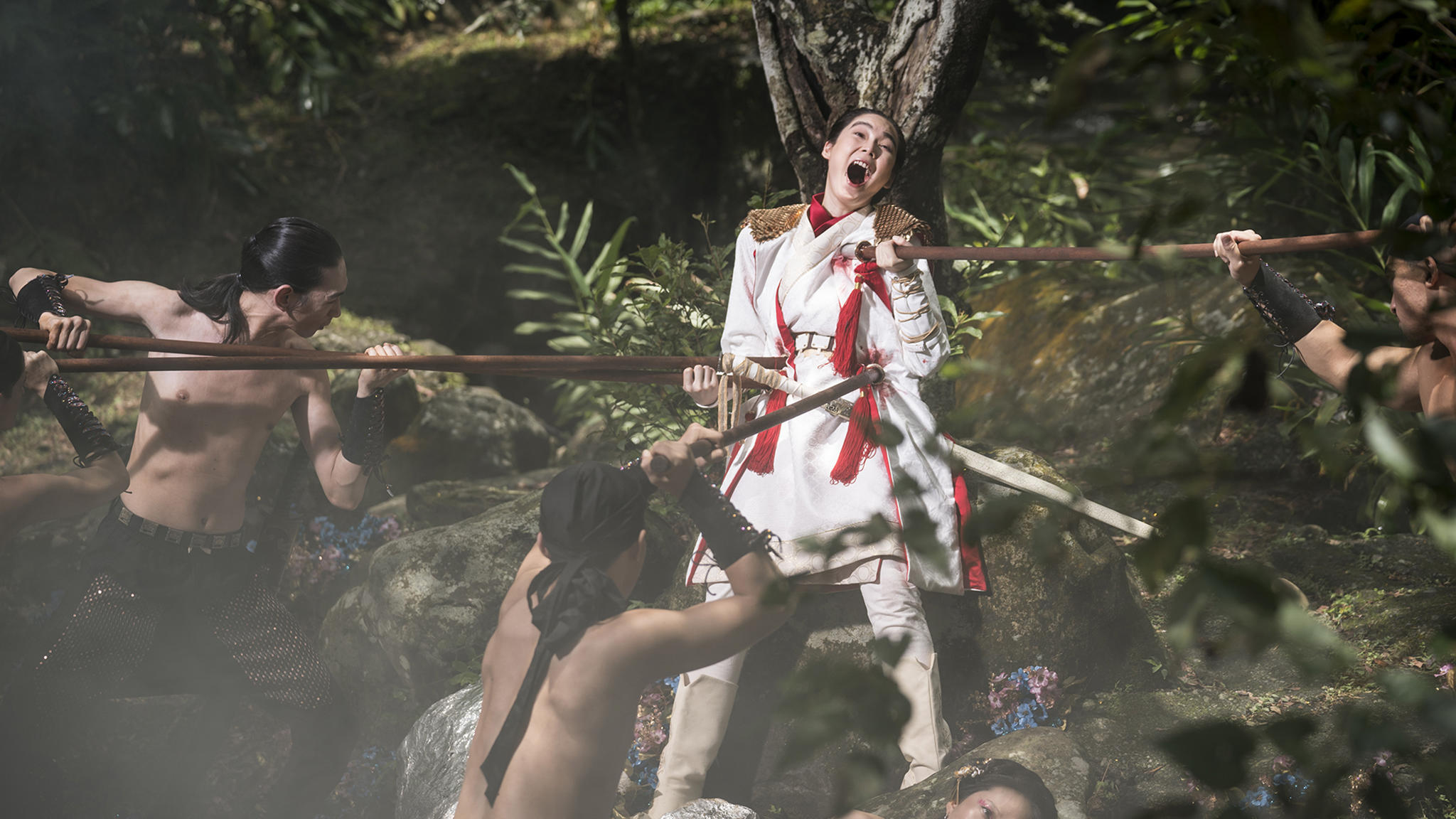
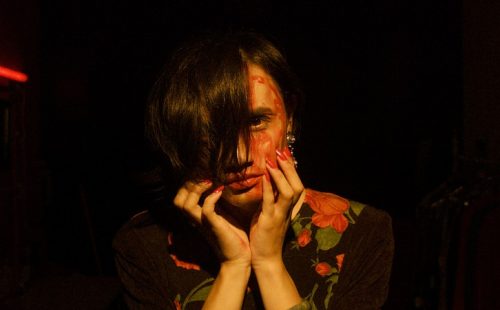
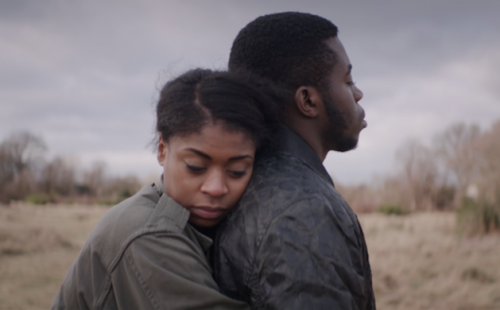
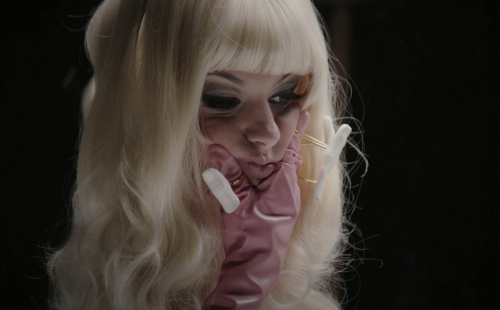
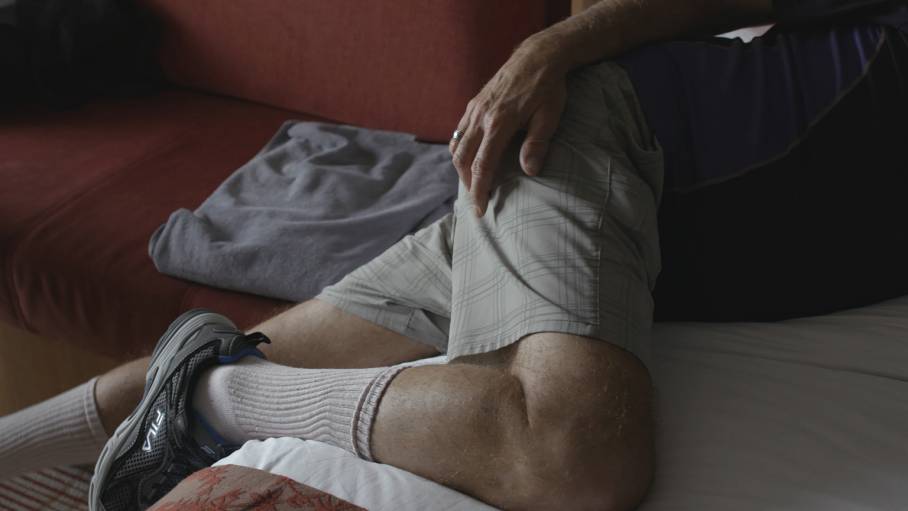
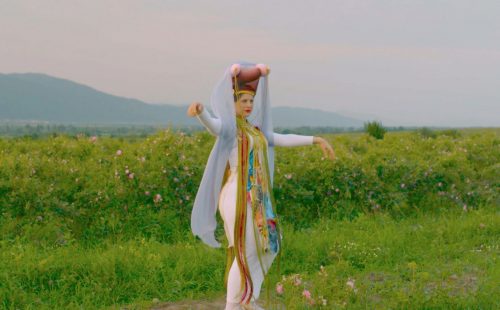
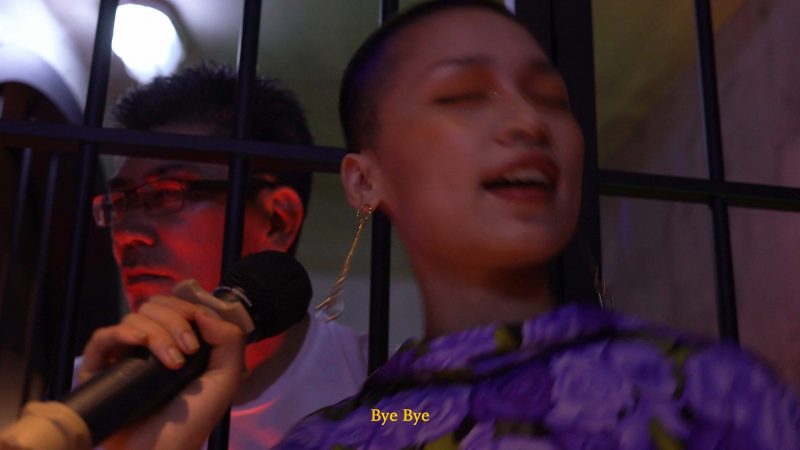
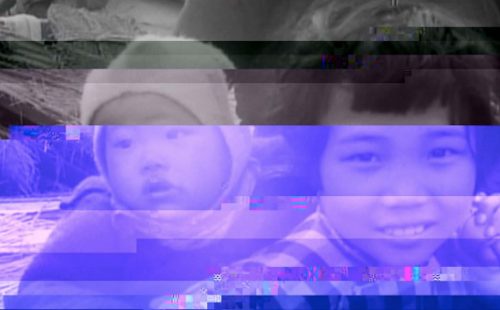
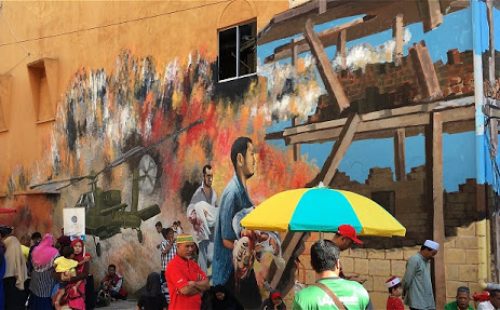
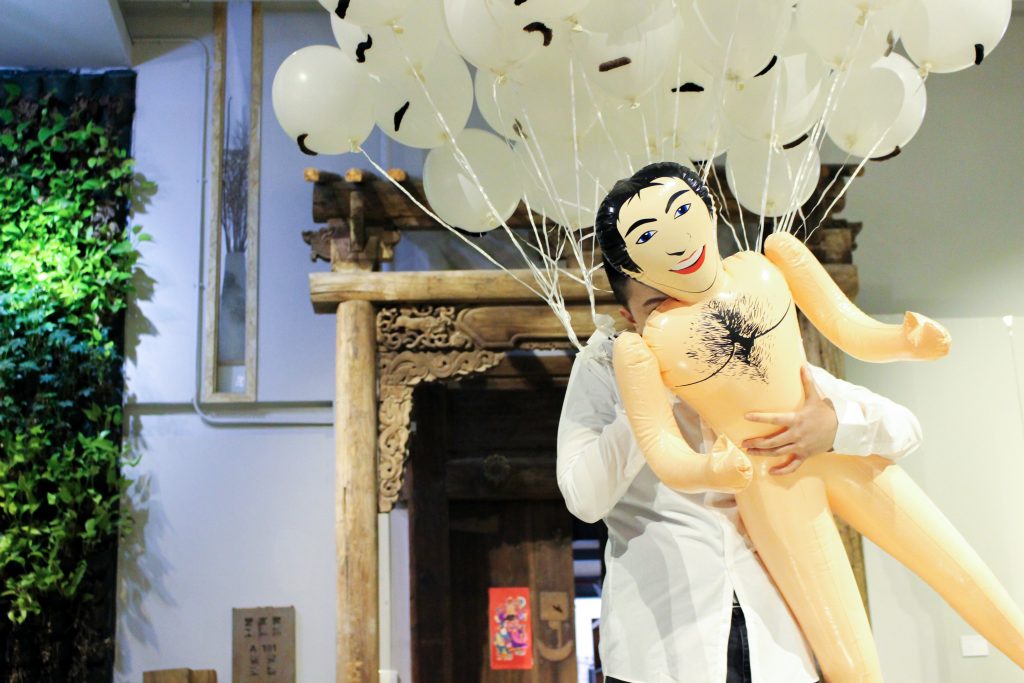
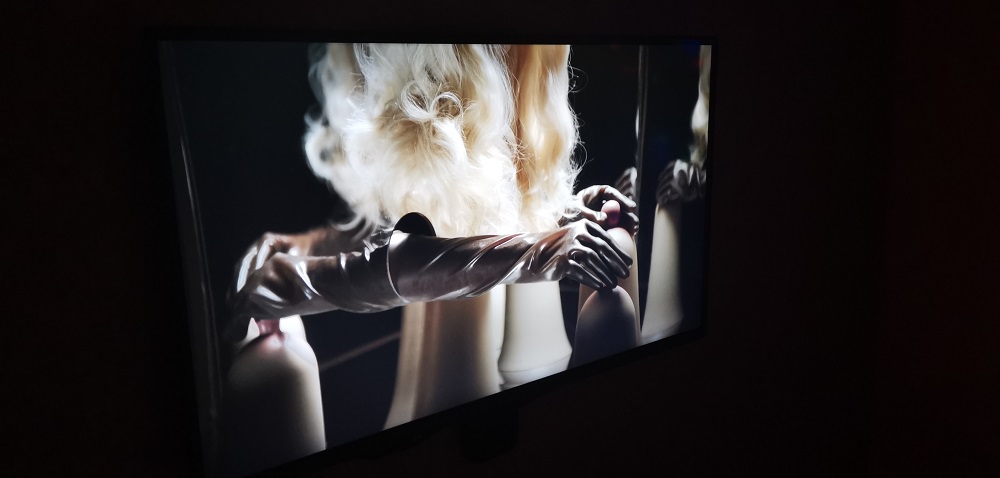
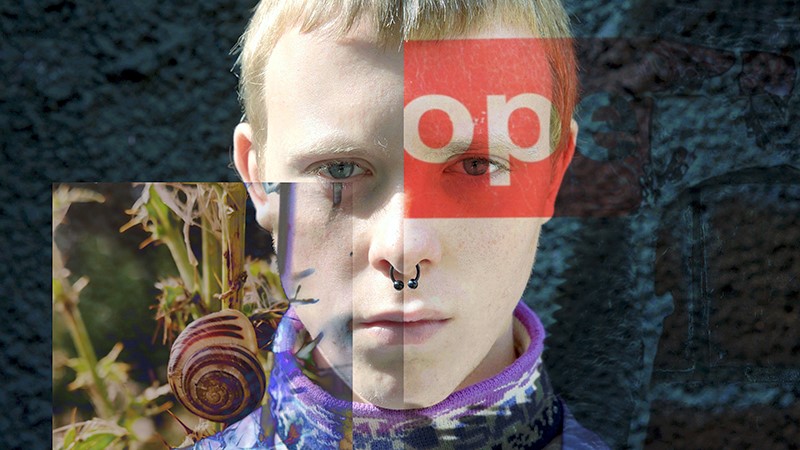
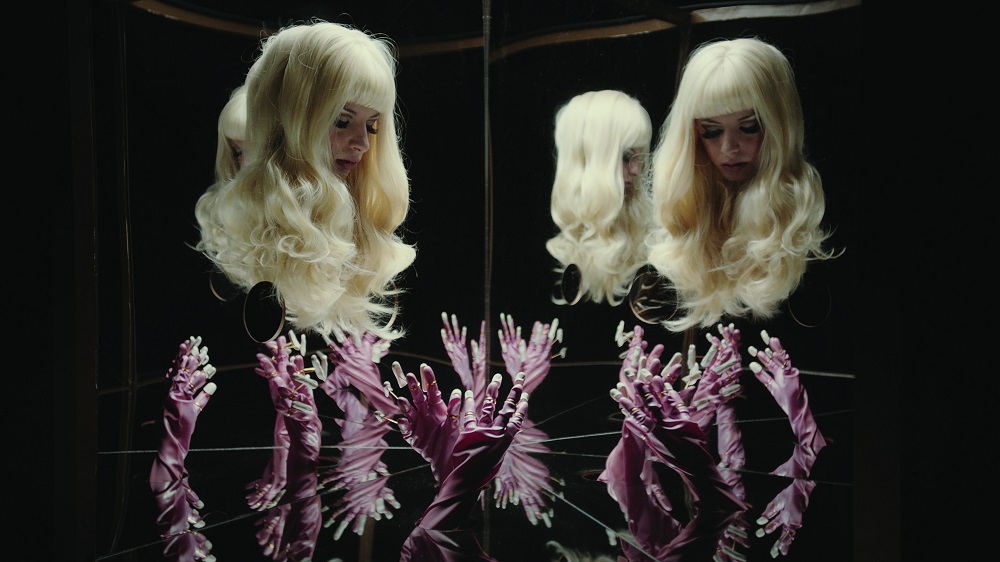
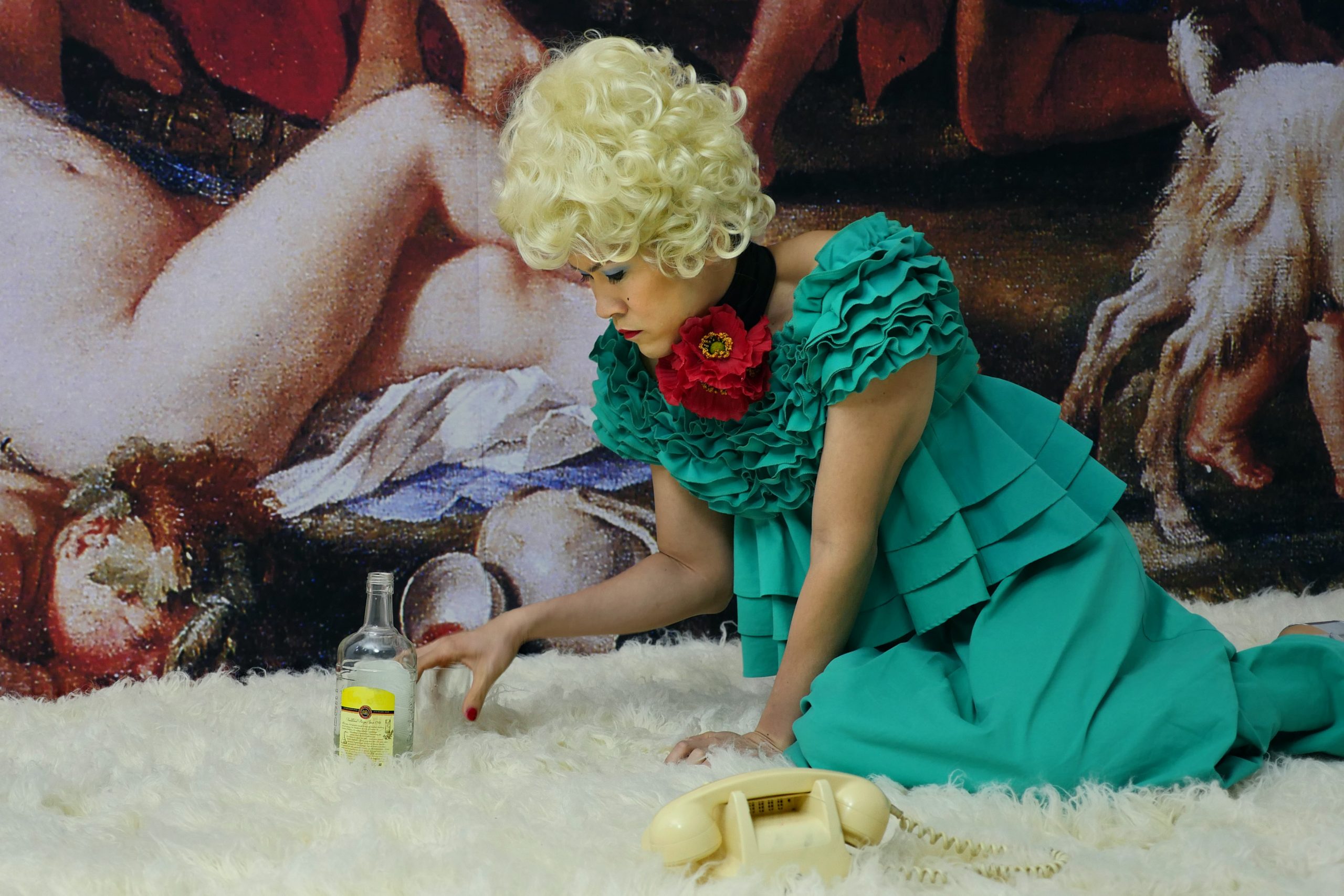
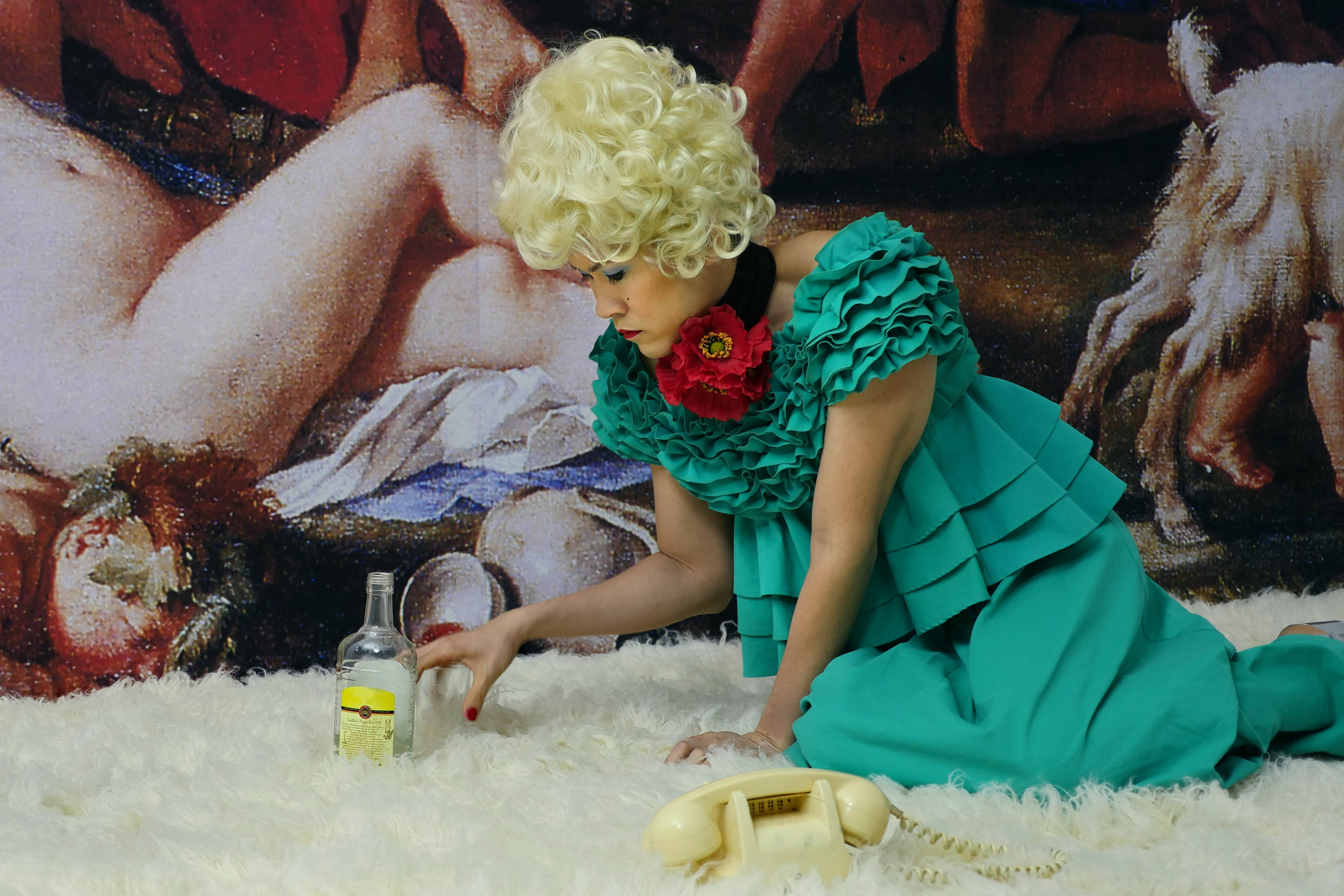
May 1, 2020The Glamorous Boys of Tang (1985, Chui Kang-Chien), Su Hui-Yu, 2018. Courtesy of the artist.
In collaboration with Platform Asia, we are presenting Displaced Belongings online 8 May till 30 May20. The programme can be watched at any time over this period, just click here to watch the films.
Displaced Belongings presents six recent film and video works by Asian artists that explore the complex nature of identity. Artists respond to personal and global experiences, such as war and memory, ejection from home and expression of sexual identity to inform their filmmaking. Drawing a dialogue through themes such as gender, race, class and self-image, artists express their identities, uncovering and recovering memories to analyse daily life. See below for the trailer, or follow this link to watch the full programme.
Programme:
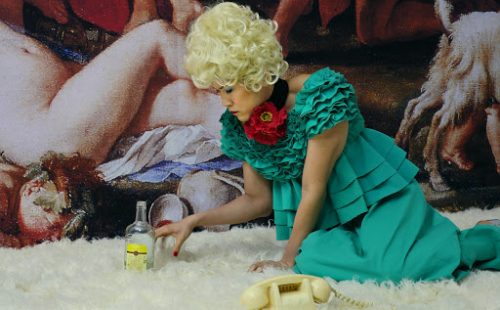
At Home But Not at Home, Suneil Sanzgiri (US), 2019, 10:43 mins (UK premiere) Salt House, Bella Riza (UK), 2017, 12:39 mins Action, Almost Unable to Think, Mao Haonan (China), 2018, 11:20 mins (UK premiere) Dreams, Butterfly Boy Dreams (Genesis), Mathis Zhang (China), 2019, 7:13 mins The Glamorous Boys of Tang (1985, Chui Kang-Chien), Su Hui-Yu (Taiwan), 2018, 15 mins A Private Collection, Wu Chi-Yu (Taiwan), 2016, 13:33mins
Displaced Belongings is curated by Moritz Cheung for Platform Asia & videoclub. Delivered in association with videoclub and supported by Arts Council England.
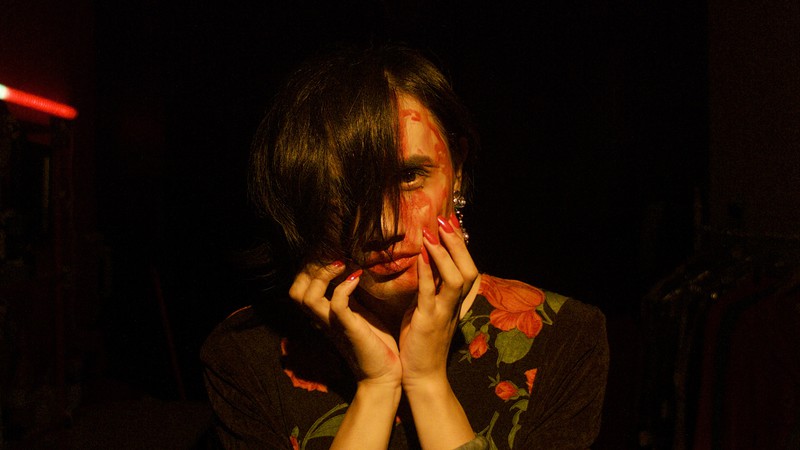
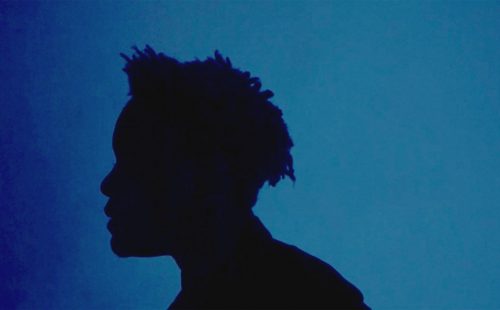
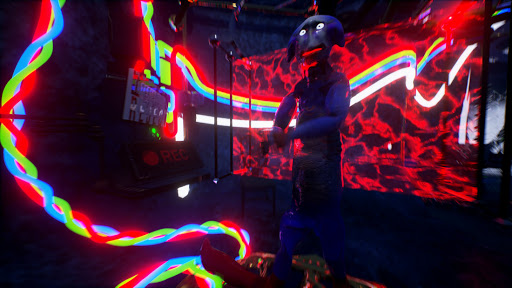
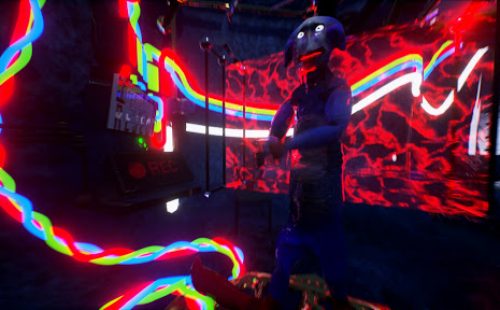
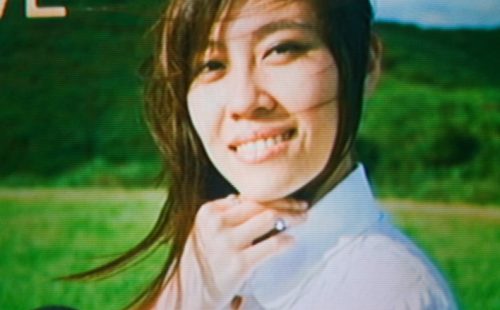
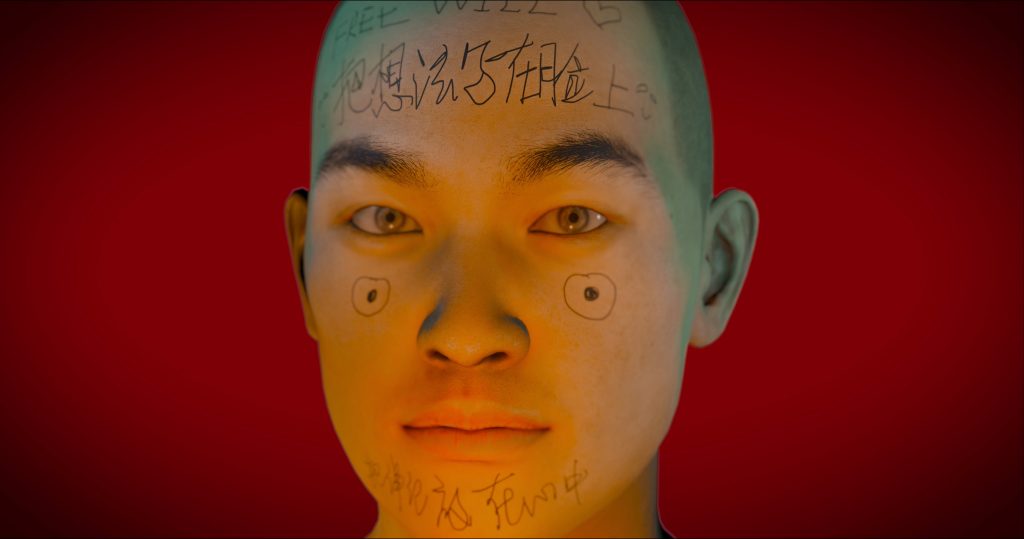
March 11, 2020Still from Action, Almost Unable to Think by Mao Haonan, 2018. Courtesy of the artist.
Platform Asia presents Displaced Belongings – a touring screening programme across the UK in association with videoclub.
Displaced Belongings presents six recent film and video works by Asian artists that explore the complex nature of identity. Artists respond to personal and global experiences, such as war and memory, ejection from home and expression of sexual identity to inform their filmmaking. Drawing a dialogue through themes such as gender, race, class and self-image, artists express their identities, uncovering and recovering memories to analyse daily life.
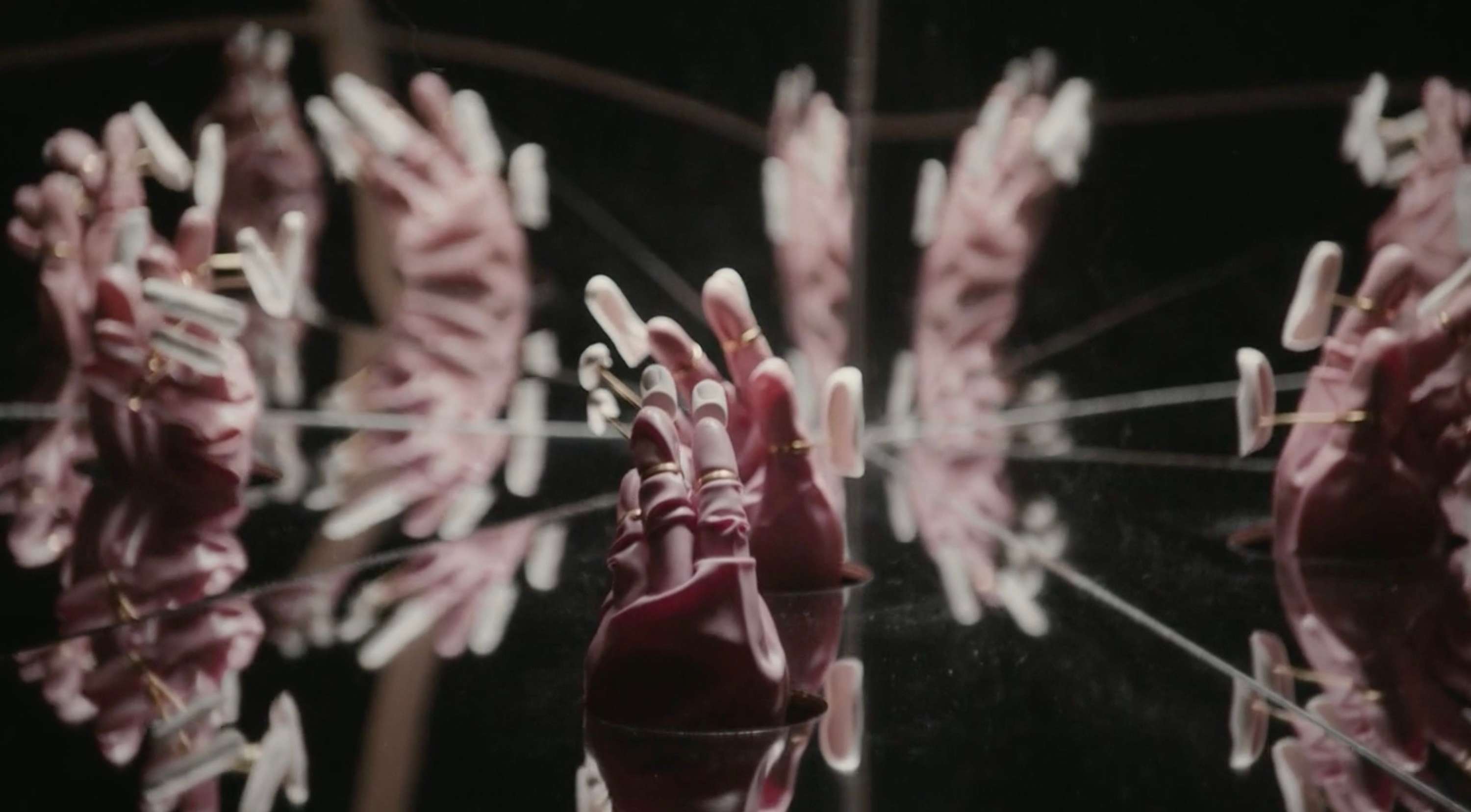
Films by artists Suneil Sanzgiri and Bella Riza explore the emotional diasporic memories of their families; from the colonial history of India to the ongoing dispute between Turkish and Greek Cypriots. Mao Haonan’s film, Action, Almost Unable to Think tells the life story of a soldier from his personal perspective after death.
Matthis Zhang and Su Hui-Yu’s work show the possibilities and beauty of queerness, and in contrast, the harshness of civic and social oppression. And in A Private Collection by Wu Chi-Yu, the artist reveals a migrant couple’s passion for their pirate DVD collection, which reminds us that the impact of a film can go far beyond the screen, and provide a new understanding of the world.
Artists in the programme include: Mao Haonan (China), Bella Riza (UK), Suneil Sanzgiri (US), Su Hui-Yu (Taiwan), Wu Chi-Yu (Taiwan) and Mathis Zhang (China). Action, Almost Unable to Think by Mao Haonan (2018) and At Home But Not at Home by Suneil Sanzgiri (2019) have not been shown in the UK before.
Programme:
At Home But Not at Home, Suneil Sanzgiri (US), 2019, 10:43 mins (UK premiere) Salt House, Bella Riza (UK), 2017, 12:39 mins Action, Almost Unable to Think, Mao Haonan (China), 2018, 11:20 mins (UK premiere) Dreams, Butterfly Boy Dreams (Genesis), Mathis Zhang (China), 2019, 7:13 mins The Glamorous Boys of Tang(1985, Chui Kang-Chien), Su Hui-Yu (Taiwan), 2018, 15 mins A Private Collection, Wu Chi-Yu (Taiwan), 2016, 13:33mins
(Age 15+)
Venue dates and details
BACKLIT, Nottingham Date: 19 Mar 2020 Time: 6:30pm – 9:00pm Address: BACKLIT, 3rd Floor (Gallery), Alfred House, Ashley Street, Nottingham, NG3 1JG Free entry: Book your tickets now
Royal College of Art, London Date: 31 Mar 2020 Time: 6:30pm – 8:00pm Address: Gorvy Lecture Theatre, RCA Dyson Building, Riverside, 1 Hester Rd, London SW11 4AN Book tickets here
Free Entry *Pre-book tickets to guarantee entry*
Phoenix Cinema and Arts Centre, Leicester Date: 24 April 2020 Time: 8pm – 9:30pm, following with Q&A Address: 4 Midland Street, Leicester LE1 1TG Tickets: TBA Web / contact: www.phoenix.org.uk
More touring venues and dates coming soon.
Displaced Belongings is curated by Moritz Cheung for Platform Asia. Delivered in association with videoclub and supported by Arts Council England.
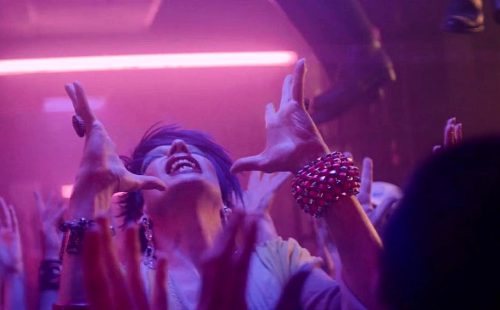
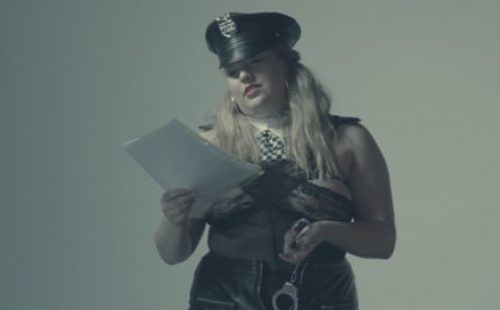
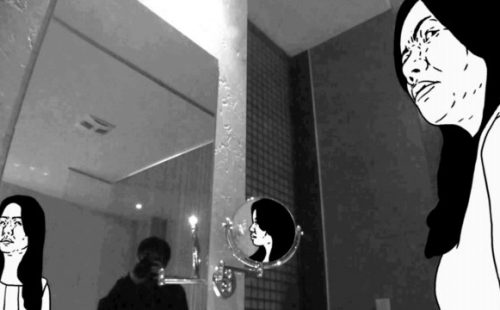
March 11, 2020M.A.C.H.O., Whiskey Chow – photo by Anqi Jiao (2018)
Platform Asia presents Alternative Acts at Backlit Gallery, Nottingham in association with videoclub.
Alternative Acts explores ways in which artists attempt to explore their culture and identity via issues such as gender, class and race. Through individual approaches, artists consider what identities represent – showing how identity can be affected by circumstances, including censorship, racism, political upheaval and war.
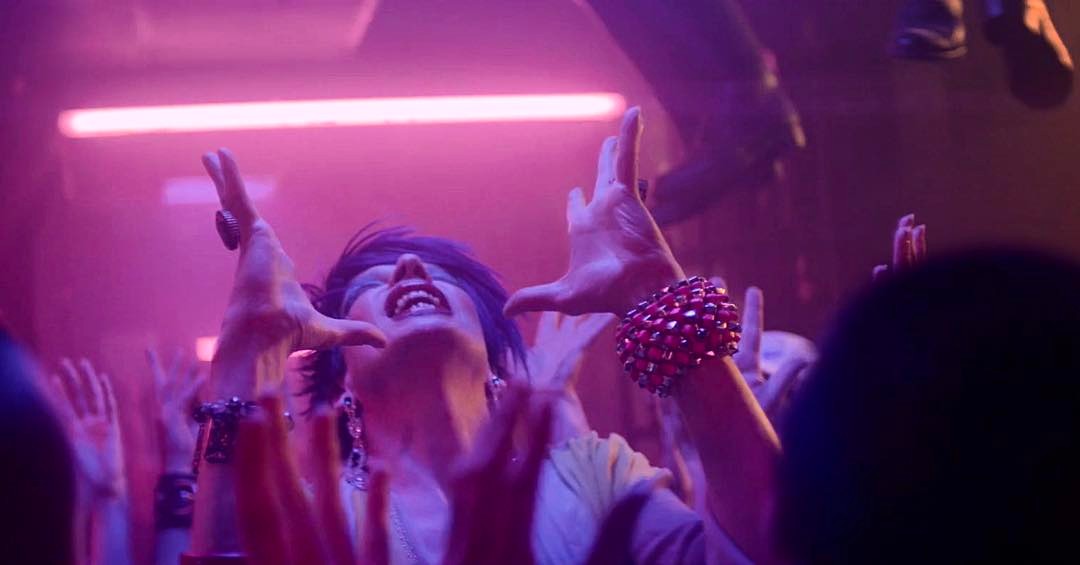
Inquiring into the norms of gender, Chinese drag king Whiskey Chow’s performance, M.A.C.H.O. compares conflicting queer/female masculinity with western capitalist values. M.A.C.H.O. aims to provoke discussion about female queerness, fetishism and race.
Moving image programme, Displaced Belongings screens alongside the live performance of M.A.C.H.O., which can be dipped into and out of during the live event.
Displaced Belongings is a programme of film and video focusing on how Asian artists’ identities have been shaped by the impact of issues such as immigration, language, censorship and queerness. It includes recent work by Mao Haonan (China) , Bella Riza (UK), Suneil Sanzgiri (US), Su Hui-Yu (Taiwan), Wu Chi-Yu (Taiwan) and Mathis Zhang (China). The films Action, Almost Unable to Think by Mao Haonan (2018) and At Home But Not at Home by Suneil Sanzgiri (2019) have not been shown in the UK before.
Venue date and details
BACKLIT Date: 19 Mar 2020 Time: 6:30pm: Doors open and bar
7-9pm: Screening and performance Address: BACKLIT, 3rd Floor (Gallery), Alfred House, Ashley Street, Nottingham, NG3 1JG Free entry Book your tickets now
*Pre-book your tickets to guarantee entry*
Programme
Performance
M.A.C.H.O. – Whiskey Chow
19.00 – 20.00
‘M.A.C.H.O’ situates a symbolic conversation between female/queer masculinity and a fetishised man-like figure, creating an absurd companionship. Throughout the performance, Chow reveals a “failed” masculinity on gendered, sexed, raced and marginalised bodies to problematise hierarchies of masculinities in western capitalist society.
Artist’s biography
Whiskey Chow is a London-based artist and Chinese drag king. Coming from an activist background in China, Whiskey has been engaging with political issues in her practice, Whiskey also explores female masculinity, stereotypes and cultural projections of Chinese/Asian identity. Studied at Royal College of Art (UK), Whiskey interdisciplinarily making performance, moving image and experimental sound piece. Prior moved to the UK, Whiskey has worked closely with local queer communities in Guangzhou and contributed as actor, co-playwright and sound designer in the production of ‘For Vaginas’ Sake’ (2013) (將陰道獨白到底, the original Chinese version of The Vagina Monologues).
Screening
Displaced Belongings 18.30 – end of event
At Home But Not at Home, Suneil Sanzgiri (US), 2019, 10:43 mins (UK premiere) Salt House, Bella Riza (UK), 2017, 12:39 mins Action, Almost Unable to Think, Mao Haonan (China), 2018, 11:20 mins (UK premiere) Dreams, Butterfly Boy Dreams (Genesis), Mathis Zhang (China), 2019, 7:13 mins The Glamorous Boys of Tang(1985, Chui Kang-Chien), Su Hui-Yu (Taiwan), 2018, 15 mins A Private Collection, Wu Chi-Yu (Taiwan), 2016, 13:33mins
Alternative Acts is curated by Moritz Cheung for Platform Asia. Delivered in association with videoclub and BACKLIT, and supported by Arts Council England.
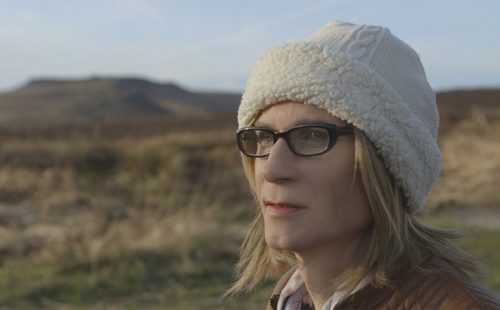
March 11, 2020Matt Lambert, God is Watching, 2017 (courtesy of the artist, Tate and Random Acts)
Both Sides Now 5 looks at the way in which artist filmmakers are exploring Queer culture, using various film and video techniques, to explore aspects of Queer life in Hong Kong, China and the UK.
A special screening of the Both Sides Now 5: Queer programme takes place at Strangelove Time-based Media Festival online.
Dates programme will be viewable: 15 – 21 June 2020. Programme will be available between 11am on 15 June till 8pm 21 June. Click here to go the films.
Programme of films
Where We Are Now, Lucie Rachel, 2016, 9’29” Something Said, Jay Bernard, 2017, 7’33” God is Watching, Matt Lambert, 2017, 3’24” The Drum Tower, Fan Po Po, 2016, 17’52” To Be Brandon, Nicole Pun, 2019, 6’30” Differences Do Matter, Anson Mak, 1998, 3’00” A Glass of Water, Kayla Wu, 2019, 4’30”
Total programme run time: 52 mins
Both Sides Now 5: Queer
British colonialism widely affected legal discrimination against LGBT people – specifically homosexual men (just as in Britain, female homosexuality was not recognised in colonies). As in many colonies, laws criminalising male homosexuality were slow to change in Hong Kong, with decriminalisation taking until 1991, as opposed to 1967 in the UK. In 2019, laws regarding equality for LGBTQ+ people are almost equal. Though reception to Queer people in the UK and Hong Kong varies widely geographically, generationally and socially. With the rise of right-wing sentiments globally, the acceptance Queer people have enjoyed feels like it is in descent.
In response to post-colonialism and the rise of right-wing opinions, we have curated this programme to show a range of artworks that explore Queer identity and culture. Filmmakers from both sides explore aspects of LGBTQI+ life – with artists from both the UK and Hong Kong making work that reflects upon Queer identity, life and creativity.
Both Sides Now is a tactical program that uses film and video to explore culture and society between different nations, the UK, China and Hong Kong, and beyond. It is a project developed in collaboration between videoclub (UK) and Videotage (Hong Kong).
October 23, 2019Patrick Hough, And If In a Thousand Years, 2017 (courtesy of the artist)
Set in the stunning surroundings of Aberdeen, Hong Kong, Ovolo Southside Hotel is the host of Asia’s very first video art fair, FLAME HK – set up and delivered by Formosa Art Fair (Taiwan). Established as a roving fair, taking place in cities across Asia, Hong Kong is the fair’s first stop.
FLAME HK took place over three floors of the hotel, with 30+ rooms showing work from galleries and representatives from across E Asia, including Taiwan, Hong Kong, S Korea, Japan and Singapore – with videoclub as the only non-Asian participant. Organisations were a mixture of commercial and non-profit, including Waley Art (Taiwan), Videotage (Hong Kong), Tang Feng Gallery (Taiwan) and Keumsan Gallery (S Korea).
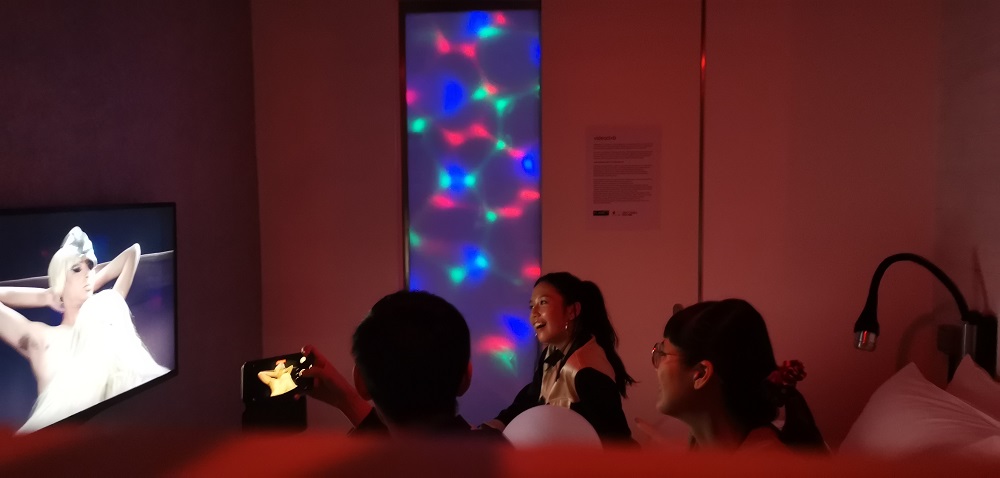
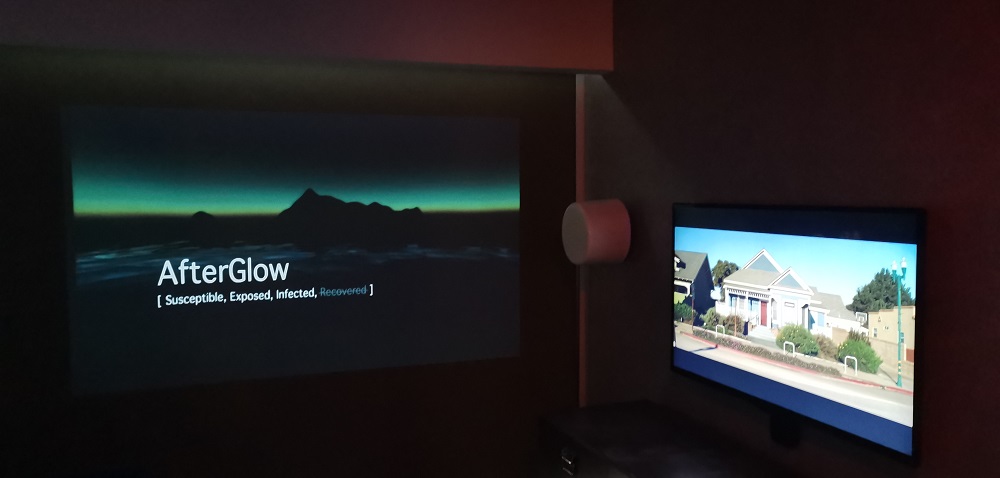
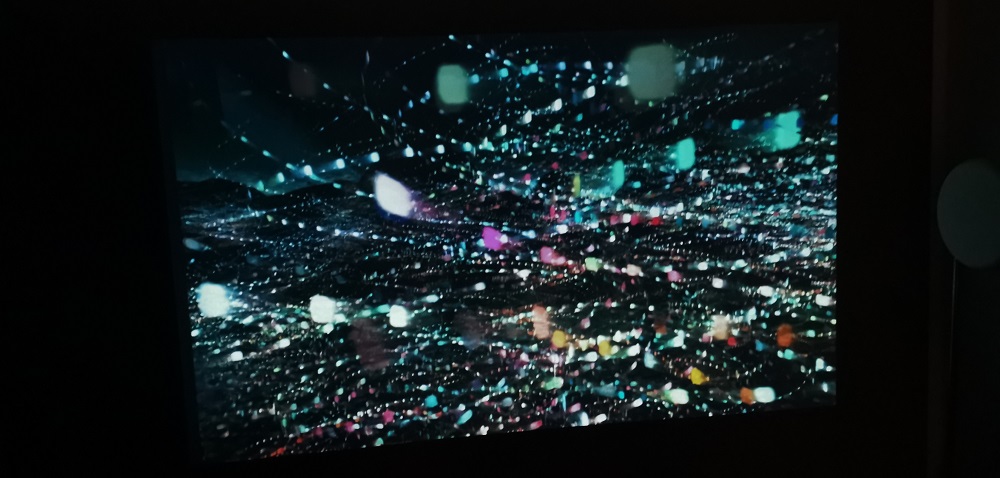
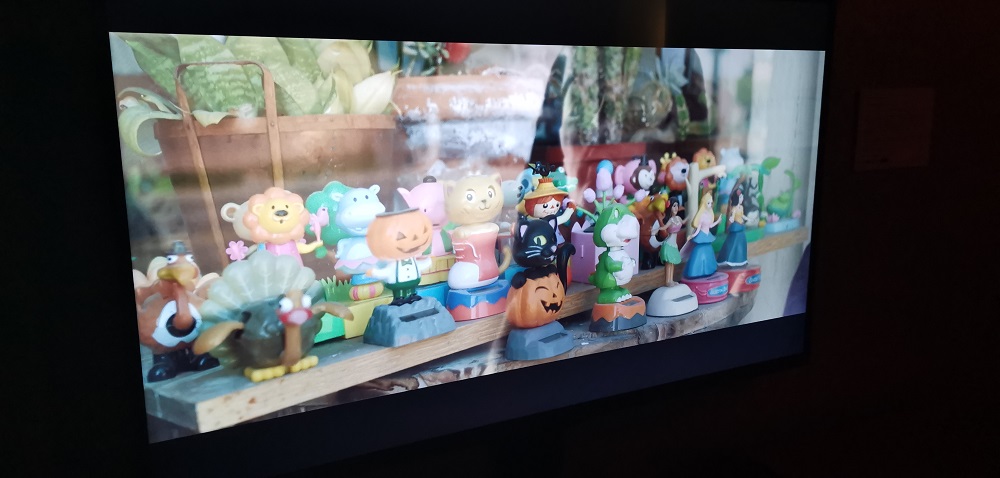
FLAME invited videoclub to curate a show for the fair, and we decided to show works by five artists – two duos and one solo artist – which included And If In a Thousand Years by Patrick Hough, AfterGlow (Susceptible, Exposed, Infected, Recovered) by boredomresearch and Plasma Vista by Sarah Cockings & Harriet Fleuriot.
While there weren’t many visitors – due mainly to the protests taking place in Hong Kong and lack of visitors traveling (the MTR being shut down and people staying home) – we had some great feedback to the show. All three works were requested for a follow up show in S Korea. We also met with several galleries who wanted to develop future collaborations. So, it was worth taking the shot.
FLAME will take place again next year, either in Japan or S Korea; keep an eye out for the call for exhibitors on their website.
Some videoclub exhibition photos below.
Plasma Vista by Sarah Cockings & Harriet Fleuriot installed and watched at FLAME HK
AfterGlow by boredomresearch and And If In a Thousand Years by Patrick Hough installed at FLAME HK
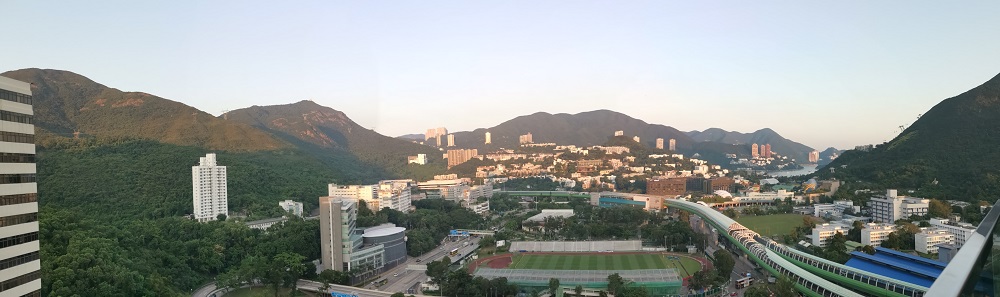
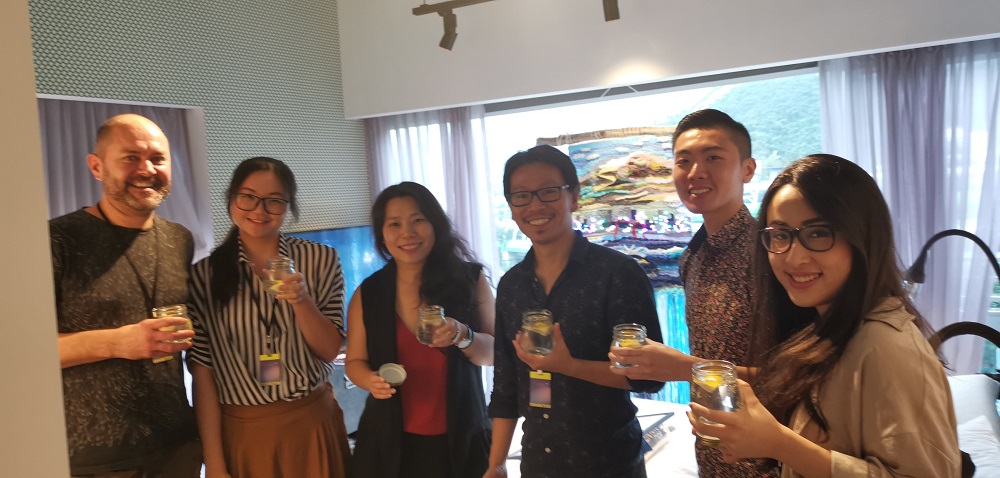
AfterGlow by boredomresearch install shotAnd If In a Thousand Years by Patrick Hough installation shotPlasma Vista by Sarah Cockings and Harriet Fleuriot installation shotView from Ovolo Southside Hotel where FLAME HK took placeG&Ts at Tang Feng Gallery with artists and staff
October 17, 2019Alia Pathan, Emperor Far Away, 2016 (courtesy of the artist)
On 9 November, we’ll be screening the final showing of Selected IX at QUAD in Derby. Screening to be followed by Q&A and talk by Jamie Wyld, videoclub’s director.
Venue:QUAD, Market Place, Cathedral Quarter, Derby, DE1 3AS Date/time: Saturday, 9 November at 3-5pm Price: Free entry – BOOK FREE TICKET
Selectedis a new collection of diverse artists’ film and video touring the UK in May-July 2019, taking place at some of the UK’s leading venues for showcasing artists’ film and video.
Shortlisted artists for the 2018 Film London Jarman Award – Daria Martin, Jasmina Cibic, Lawrence Lek, Margaret Salmon, David Blandy & Larry Achiampong and Hardeep Pandhal – have nominated work by up-and-coming filmmaking talent, to develop an invigorating new programme of work.
Selected brings together some of the best work from early career film and video artists from the UK in a vibrant programme of recent artists’ moving image.
Programme of work:
Vikesh Govind, Shoes, 2017, 3’40”
Ollie Dook, Processing Papers, 2015, 8’07”
Sarah Cockings and Harriet Fleuriot, Plasma Vista, 2016, 7’31”
Laura O’Neill, AGAIN AGAIN AGAIN (WE EAT THE WORLD AND THE WORLD EATS US), 8’32”, 2017
Clifford Sage, Where’s My Stick, 2017, 4’21”
Sid Smith, Extension, 2018, 5’09”
Alia Pathan, Emperor Far Away, 2016, 4’50”
Alexander Storey Gordon, In Camera (I Used Blood for the Red), 2015, 1’44”
Kimberley O’Neill, Circuits of Bad Conscience, 2017, 12’
Produced by videoclub and Film London Artists’ Moving Image Network. Supported by Arts Council England and Film London.
Film London Artists’ Moving Image Network
Film London Artists’ Moving Image Network (FLAMIN) supports London-based artists working in moving image, working in partnership to deliver a comprehensive programme including production award schemes, regular screenings, talks and events, as well as the prestigious annual Film London Jarman Award.
October 17, 2019Cheng Ran, Diary of a Madman: Manchester Plan, New Bees, 2019 (image courtesy of the artist)
Exhibition preview: Thursday, 24 October 19, 6-8pm Exhibition dates: 25 October 19 – 19 January 20 Opening times: Tuesday to Sunday, 10am to 5pm (closed Mondays) Centre for Chinese Contemporary Art, Market Buildings, Thomas Street, Northern Quarter, Manchester, M4 1EU
Diary of a Madman: Manchester Plan, New Bees, is based on Cheng Ran’s short-term residency at Centre for Chinese Contemporary Art (CFCCA) and his research into Greater Manchester’s urban culture. It is a commissioned work which also serves as a new chapter in Cheng’s Diary of a Madman series; an ongoing project consisting of three parts, each filmed in a different city. These works were completed during short residencies in New York, Jerusalem and Hong Kong between 2016 – 2017, making the project a visual trilogy of a phantasmal journey across three vastly different cultural spheres. Manchester Plan, New Bees continues this journey.
At the core of this project, Cheng Ran explores how we experience new cities and their unfamiliar geographies and living spaces, from the perspective of a visitor and a stranger. He examines how these experiences are often characterised by the allure of fantasy and the ‘unknown’ but can also cause isolation and a sense of ‘otherness’. He strives to challenge the boundaries of languages, creating surreal representations of the cities he visits.
Manchester Plan will begin with Cheng Ran’s personal interpretation of the city of Manchester based on memories, illusions, news and indirect experience. The work will consist of multi-screen unsynchronised videos, photography and installation sculptures. In addition, Cheng Ran introduces elements of live performance to highlight the importance of reciprocal relationships which exist between residents and outsiders within a city.
Cheng Ran – Diary of a Madman: Manchester Plan, New Bees is a co-commission between the Centre for Chinese Contemporary Art, videoclub and the University of Salford Art Collection.
September 29, 2019boredomresearch, AfterGlow (Susceptible, Exposed, Infected, Recovered), 2016
videoclub is presenting a curated showcase of artists’ film and video by five artists based in the UK at FLAME, Asia’s first video art fair in October. The fair is on between 4 and 6 October at Ovolo Southside, Wong Chuk Hang Road, 64, Hong Kong.
We will be showing work by celebrated artists Patrick Hough, boredomeresearch and Sarah Cockings & Harriet Fleuriot, the programme of work includes:
Patrick Hough, And If in a Thousand Years, 2017
Patrick Hough, And If in a Thousand Years, 2017, 22’14”
When the film-set for Cecil B DeMille’s The Ten Commandments had had its day, it was, like the biblical civilisation it evoked, lost to the sands of time – in its case, deliberately buried, in an act of money-saving expediency, under the dunes of the Southern California desert where the movie was shot. Over the years, though, those shifting sands have gradually exposed this piece of epic landfill, bringing souvenir hunters to gather where archaeologists (or Egyptologists) used to tread.
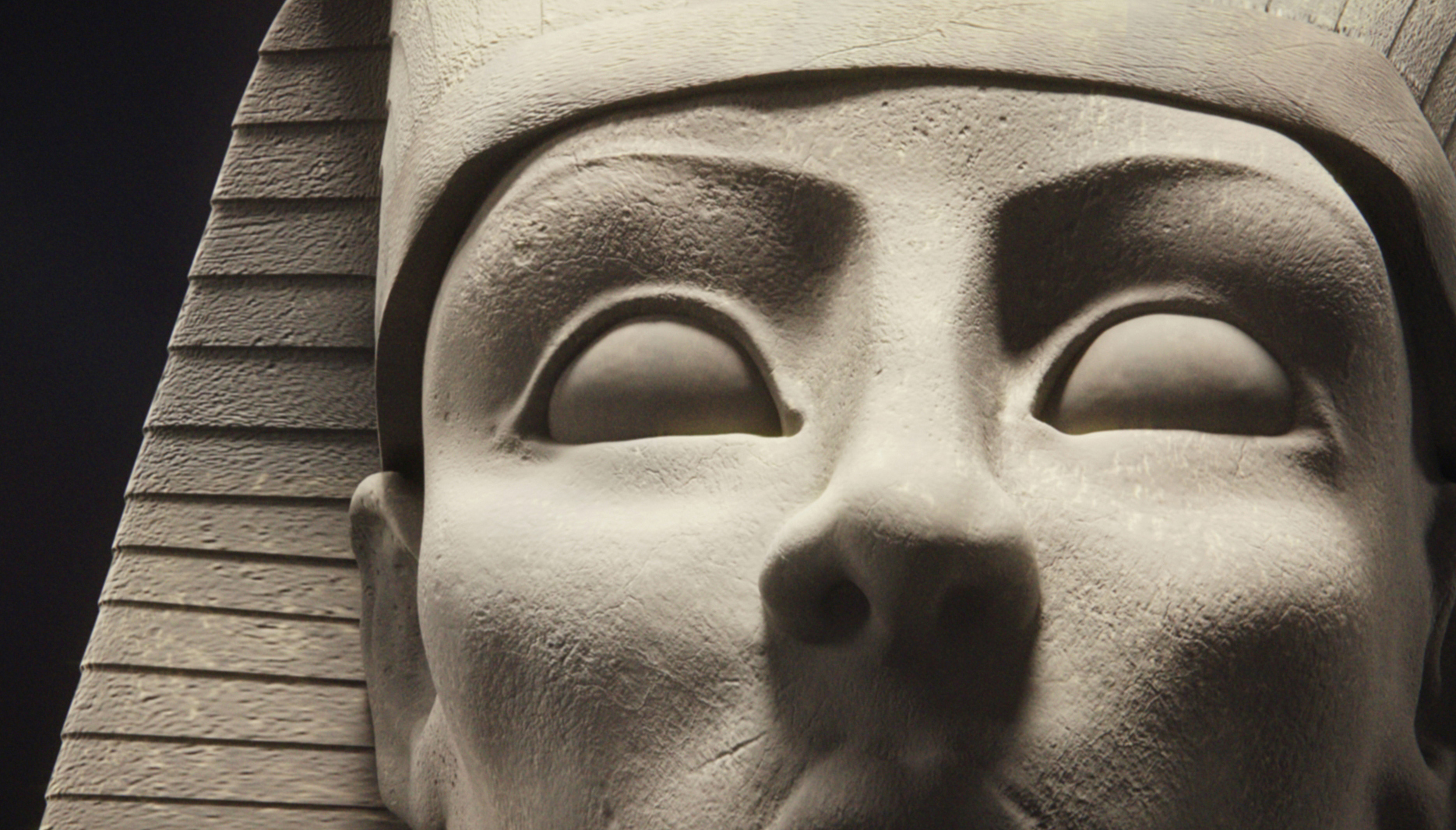
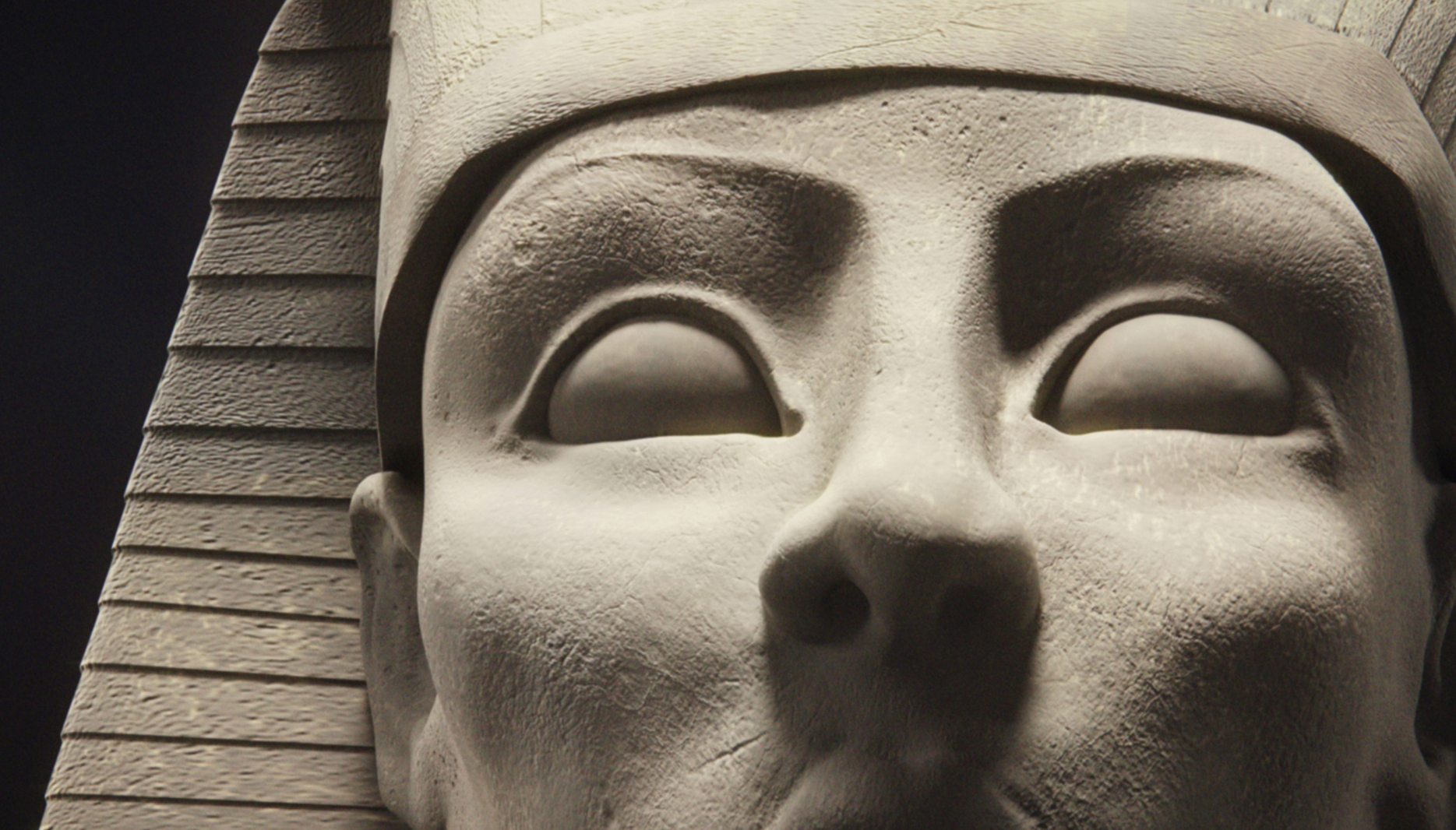
In Patrick Hough’s video, shot on location at the site, it is not just fake fragments of the past that are disinterred. What hovers over the place is a spirit of uncertainty; one that questions bedrock values like ‘originality’ and ‘authenticity’ and dusts them with other layers of meaning: the extraordinary ease of reproducibility, the spray-on glamour of cinematic semi-celebrity. This spirit of uncertainty is encapsulated by the figure of a sphinx – once part of the décor of the majestic film-set, now wandering in ghostly limbo; haunting the nearby town like a wildcat on the prowl. The sphinx’s hybrid form and cryptic, enigmatic presence is also a symbol of a blurring between the material and the virtual that Hough’s video not only proposes but visibly enacts, using sophisticated digital scanning techniques to suggest the outline of a new technological horizon that is, even as we look back nostalgically at the remnants of earlier eras, writing its own name upon the sand.
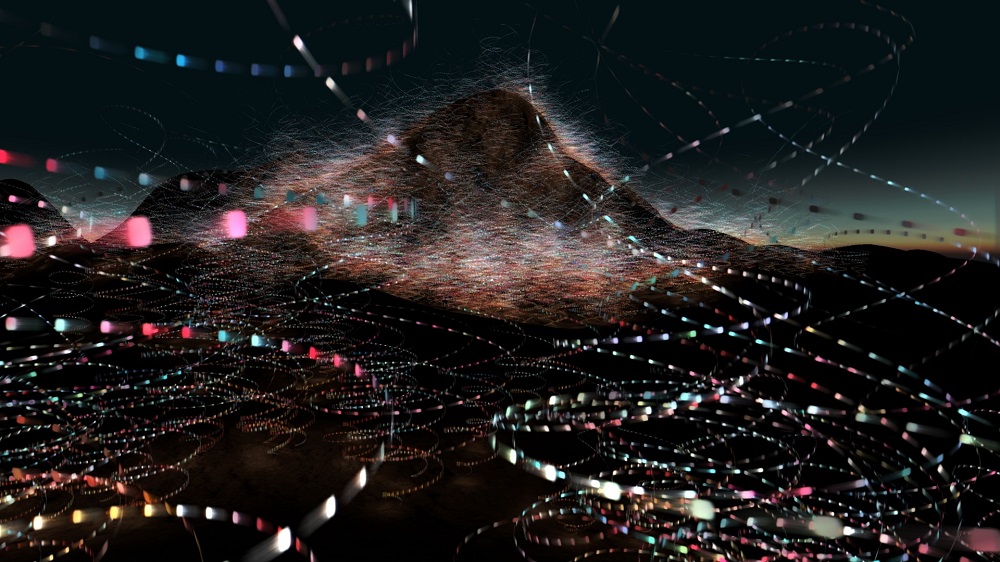
boredomresearch’s artwork is informed by principles of scientific modelling, inspired by the mechanisms and behaviours of natural systems. Central to their work is the aesthetic expression of intriguing patterns, motions and forms, expressed in real-time over extended durations, using technologies usually associated with computer games. AfterGlow (Susceptible, Exposed, Infected, Recovered) is a film made using sequences from their real-time digital artwork; informed by models of disease transmission, on Banggi Island in Malaysia. Locked in perpetual twilight (prime mosquito blood-feeding time), the film presents a terrain progressively illuminated by glowing trails, evocative of mosquito flight paths.
Sarah Cockings and Harriet Fleuriot, Plasma Vista, 2016
Sarah Cockings and Harriet Fleuriot, Plasma Vista, 2016, 7’31”
Plasma Vista began as a promotional film for a new business concept of the same name that creatively showcased episodical art, design products, furnishings and clothing. Everything featured in the frame would be available to purchase. After two years of development, the promo morphed from a strategic investment into a collaborative, expressive work. The film manifested a disobedient breakdown that rejected the original brief. Hijacking the commercial framework and seizing the business name for its own, Plasma Vista moulded itself around ideas that explored utility, economics, production, creativity and aesthetics. The promotional concept had eaten itself, pushed back, self-rendered dysfunctional and reformed within an independent experimental piece of moving image.
—
videoclub exhibits these works collectively as a group of exceptional artists working with film and video; their work explores human behavior that connects us all.
July 12, 2019Ming Wong, Teach German with Petra Von Kant, 2017
Both Sides Now 5 looks at the way in which artists and filmmakers are exploring Queer culture, using various film and video techniques, to examine aspects of Queer life in Hong Kong, China and the UK. Curated by videoclub and Videotage (Hong Kong).
Differences Do Matter, Anson Mak, 1998, 3’00” Teach German with Petra Von Kant, Ming Wong, 2017, 8’00” The Drum Tower, Fan Po Po, 2016, 17’52” A Glass of Water, Kayla Wu, 2019, 4’30”
Films from UK
Handclap/Punchhole, Charlotte Prodger, 2011, 9’46” Something Said, Jay Bernard, 2017, 7’33” God is Watching, Matt Lambert, 2017, 3’24” Where We Are Now, Lucie Rachel, 2016, 9’29”
Date and time: Thursday, 22 August 2019, 7-8pm
Price: Free entry – click here to book a free ticket
Address: John Hansard Gallery, 142-144 Above Bar St, Southampton SO14 7DU
Web / contact: http://www.jhg.art / 023 8059 2158 / info@jhg.art
Curatorial statement
British colonialism widely affected legal discrimination against LGBT people – specifically homosexual men (just as in Britain, female homosexuality was not recognised in colonies). As in many colonies, laws criminalising male homosexuality were slow to change in Hong Kong, with decriminalisation taking until 1991, as opposed to 1967 in the UK. In 2019, laws regarding equality for LGBTQ+ people are almost equal. Though reception to Queer people in the UK and Hong Kong varies widely geographically, generationally and socially. With the rise of right-wing sentiments globally, the acceptance Queer people have enjoyed feels like it is in descent.
In response to post-colonialism and the rise of right-wing opinions, we have curated this programme to show a range of artworks that explore Queer identity and culture. Filmmakers from both sides explore aspects of LGBTQI+ life – with artists from both the UK and Hong Kong making work that reflects upon Queer identity, life and creativity.
Ever since video art first appeared as a medium, artists have been using portable cameras to explore the subversive potential of video and challenge mainstream discourse about identities. In Hong Kong, the late 1980s and 1990s witnessed a growing interest among avant-garde artists, who used video to claim a queer space amongst the mundane social codes. They disrupted the male hero’s central status in mainstream cinema’s narrative. They have also recounted unspoken stories and given voice to the marginalized in a time when homosexuality and many other identities were considered taboo. These artists have sought to complicate the understanding of what it means to be taken-for-granted and have reimagined the body, society and culture as a constant flux, which has the potential to unpack norms and open society to transformation. Avant-garde and video art go hand-in-hand with the emergence of the feminist movement and the growing public visibility of the demand for LGBT rights.
In the last few decades, many societies have witnessed a radical change in promoting a diverse spectrum of non-normative sexual and gender identities. Queer communities, whose lives are organized around constant social alienation and exclusion, have evolved into a relatively more open community. On one hand, many societies are progressively creating more liberal laws, such as legalizing same-sex marriage. The thriving gay bar scene, booming rainbow industry and increasingly popular LGBT-themed movies have built a stronger community and increased inclusivity for spectrums of sexual practices and gender. On the other hand, individual freedom and promises of diversity are increasingly fashioned by neoliberal discourses. The former border-crossing practices, fluid identities and peculiar imaginations are now commercialized, marketized and normalized. Almost every financial corporation has joined hands in sponsoring pride parades. In China, the LGBT market places is valued at approximately $300 billion dollars. The way that gay and lesbian people live is increasingly mediated by the new order of cultural economy. Queerness has been redefined and contradicted by the neoliberal reality. Apart from these changes, in many parts of the world, a parallel rise in violent homophobia has been promoted by right-wing extremists. Anti-LGBT abuse and victimization remains frequent. Queerness in our time has revealed that power dynamics appear to be shifting, complex and yet contradictory. How has queerness, once considered marginal or subversive, played a role in the radically shifting figurations of global politics?
Both Sides Now 5 attempts to reconsider queerness by looking into historical perspectives and its relevance to the present. Through this collection of films, we aim to investigate personal experiences and problematize the various notions of “queer” from local and global perspectives.
– Isaac Leung (Videotage) & Jamie Wyld (videoclub)
Both Sides Now is a tactical program that uses film and video to explore culture and society between different nations, the UK, China and Hong Kong, and beyond. It is a project developed in collaboration between videoclub and Videotage (Hong Kong).
April 4, 2019Adcredo – The Deep Belief Network – Joey Holder 2018
VIDEOCLUB AT SHENZHEN NEW MEDIA ART FESTIVAL 2019
videoclub is one of the contributing artistic partners of Shenzhen New Media Art Festival 2019 (Shenzhen MAF). Partnering with FLAMIN – Film London Artists’ Moving Image Network – we will be showing works by 14 artists throughout the festival’s exhibition and screening programme.
Shenzhen MAF is the only active festival focusing on new media arts in mainland China. The festival is inspired by the rapid developments in the creative and cultural industries, and new technologies, exploring the opportunities for digital arts and moving image.
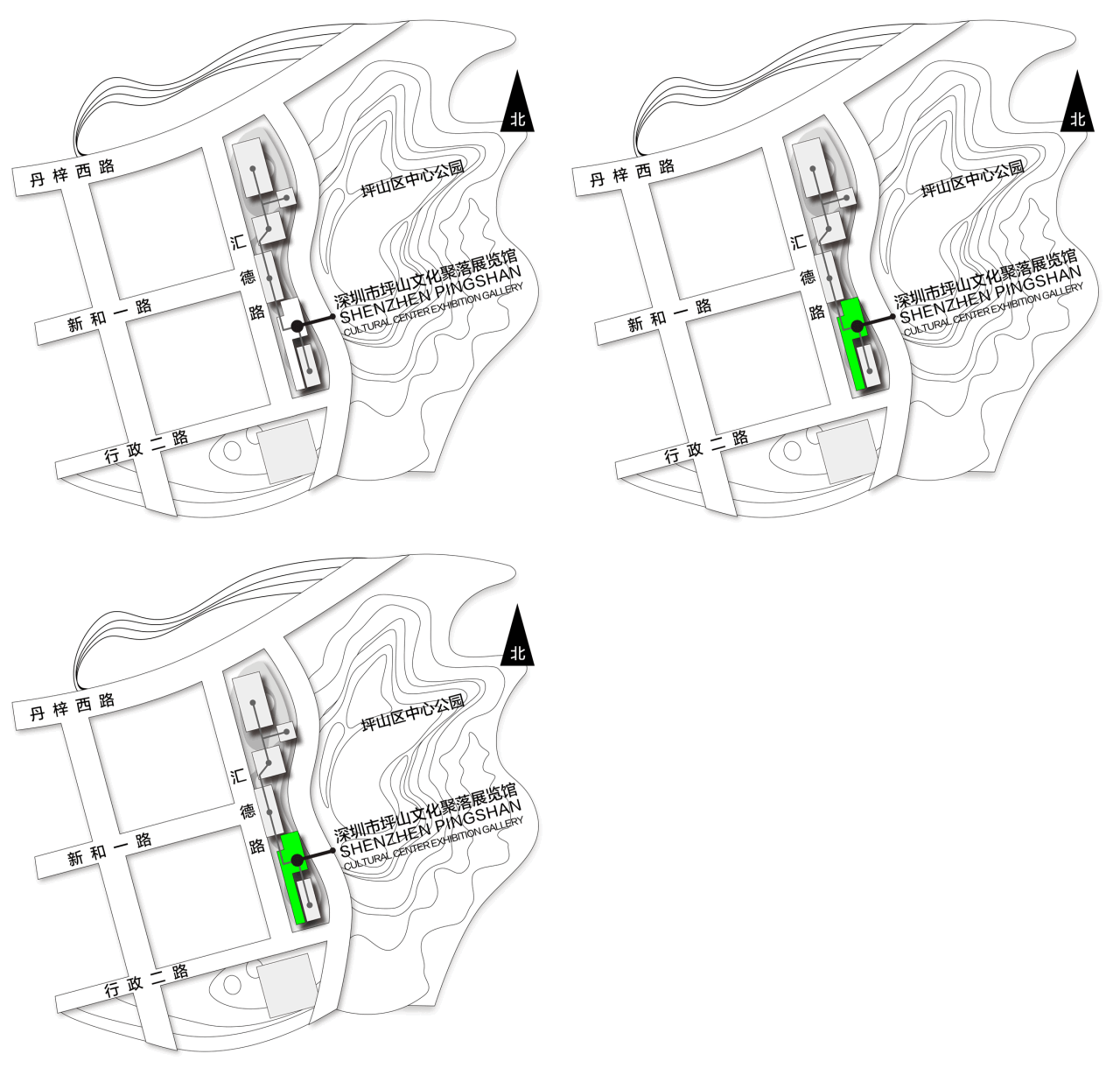
This year, Shenzhen MAF’s thematic title is <FREE PANORAMA> and is held at Pingshan Cultural Center Exhibition Gallery. The dates of the festival are 20 April till 16 June, running alongside Shenzhen Design Week.
For the opening on 20 April, our artistic director, Jamie Wyld will give a short talk about our work and developments in UK artists’ moving image.
On 21 April, artist Joey Holder will give a talk about her practice and work at a panel talk, along with Korean artist Kelvin Kyung Kun Park and Chinese artist Liaoyuan Zhang.
On 18 May, FLAMIN will present a Jarman Awards’ special screening programme, including work by artists Cecile B. Evans, Mikhail Karikis, Melanie Manchot and Daria Martin. Maggie Ellis, Head of FLAMIN and Rose Cupit, FLAMIN Senior Manager will be giving a post-screening talk about the awards, and FLAMIN’s mission and ambitions.
About <FREE PANORAMA>
<FREE PANORAMA> refers to the opportunities new media embraces through cutting edge technology and advances.
Showing a curated programme of creative work it highlights the latest global thinking, as well as presenting outstanding cultural and contemporary art projects. It attempts to show how media art is forever evolving and how its transdisciplinary nature allows for engagement across multiple fields of practice and audiences.
Pingshan Cultural Center Exhibition Gallery, Huide Road, Pingshan, Shenzhen
深圳坪山文化聚落展览馆, 深圳市坪山区汇德路
Schedule of events and exhibition opening times
Opening ceremony 开幕活动:
20 April 2019 3pm – 5:40pm
2019年4月20日 3pm – 5:40pm
Exhibition dates 艺术节日期:
21 April 2019 – 16 June 2019
2019年4月21日-6月16日
Exhibition opening hours 开闭馆时间:
Workdays 平日 10am – 8:30pm
Weekends & Holidays 节假日 10am – 9:30pm
Panel talks by artists Joey Holder, Kelvin Kyung Kun Park and Liaoyuan Zhang
艺术家系列公开讲座: 艺术家: 乔伊 霍尔德 | 英国 / 朴庆根 | 韩国 / 张辽源 | 中国
Dates日期: Sunday, 21 April 2019
2019年4月21日(日)
Time时间: 2pm – 5pm
FLAMIN Presents: Jarman Awards at Shenzhen MAF, Modern Nature.
FLAMIN短片大赏 | 贾曼奖获奖艺术家访谈录
Dates日期: Saturday, 18 May 2019
2019年5月18日(六)
Time时间: 2:30pm – 4:30pm
—
The festival is curated by SenSend 三三德.
This festival is funded and supported by China Resources Land Limited, China Resources Culture and Sports Development Co. Ltd. and Shenzhen Design Week Committee, and organised by RITO Art.
Our involvement in <FREE PANORAMA> is part of our ongoing UK-China collaboration with International Art & Science Research Institute.